Reporting in Practice
Defining Boundaries
We begin each report by making clear what can be measured and what remains unresolved. This separates robust results from those that are more speculative or uncertain, setting realistic expectations for everyone involved.


Contextual Evidence
Every finding is presented with supporting context—how the data was gathered, what methods were used, and where limitations were encountered. This prevents technical details from obscuring the bigger picture.
Built-In Dialogue
We encourage clients to question, debate, and request clarification on any aspect of our reports. Feedback loops are built in, making it easier to adapt future analysis to new needs.
Open-Ended Conclusions
Reports close with clear recommendations—but always leave space for further inquiry, reflection, and adjustment as new information or perspectives arise.
Reporting as an open process

Collaborative Writing

Discussing Results
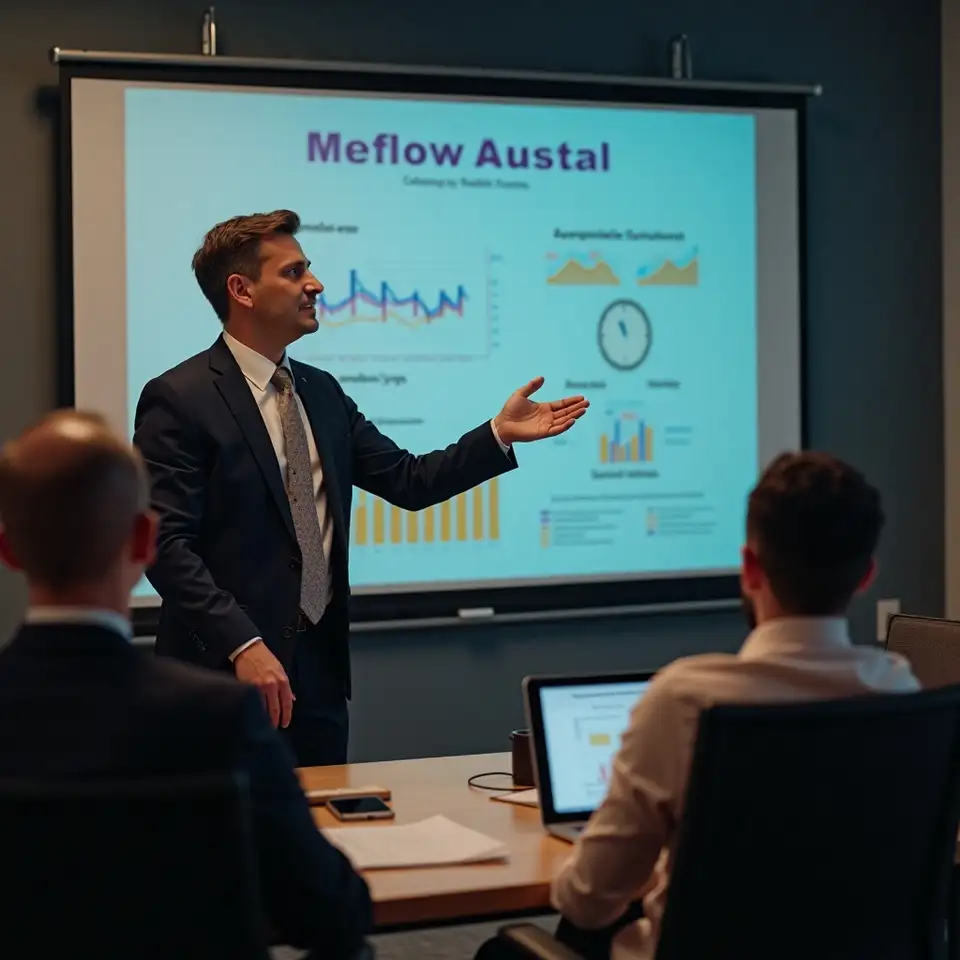
A group discussion shows our commitment to open dialogue, clarifying report
findings with both technical and non-technical stakeholders.
Caveats Marked

Learning from Feedback
Team members listen to client feedback after a report delivery, using it to
shape future analysis and documentation.

Document Annotation
Analysts annotate documents, clarifying assumptions and uncertainties before finalising the report.

Answering Questions
Why transparent reporting matters
Reports are often the end of the story elsewhere. For us, they start honest conversations, helping clients avoid pitfalls and misinterpretations.
Honest about findings and boundaries
Our reports clarify not just what was found, but what was not. This transparency prevents overreliance on partial answers and keeps clients alert to uncertainty. We highlight where model results are robust, where they falter, and where the unknowns remain, based on practices outlined in recent financial literature.
Transparency
Accessible, discussion-ready reports
Clear communication in reports helps reduce misinterpretation and miscommunication. We use plain language, avoid jargon, and always include space for questions—so teams don’t mistake technical detail for certainty.
Clarity
Reports as conversation starters
Our approach encourages clients to respond, discuss, and even challenge findings. This two-way process ensures that analytical outputs become the beginning of deeper understanding, not the final word.
Dialogue
Key aspects of our reporting framework
Most reports are written to end the conversation. Ours are built for discussion and adjustment, with boundaries and questions made clear.
Templates that clarify uncertainty
We provide report templates that highlight caveats, so findings aren’t separated from their limits. This prevents the false comfort of one-sided analysis.
Plain language for every audience
Every report includes a summary section translating technical findings into plain language. This lets all stakeholders understand and discuss the results, not just the technical team.
Reporting as two-way engagement
Our reporting process is never one-way. Each engagement is designed for dialogue, encouraging questions, challenges, and further exploration from the client’s side.